
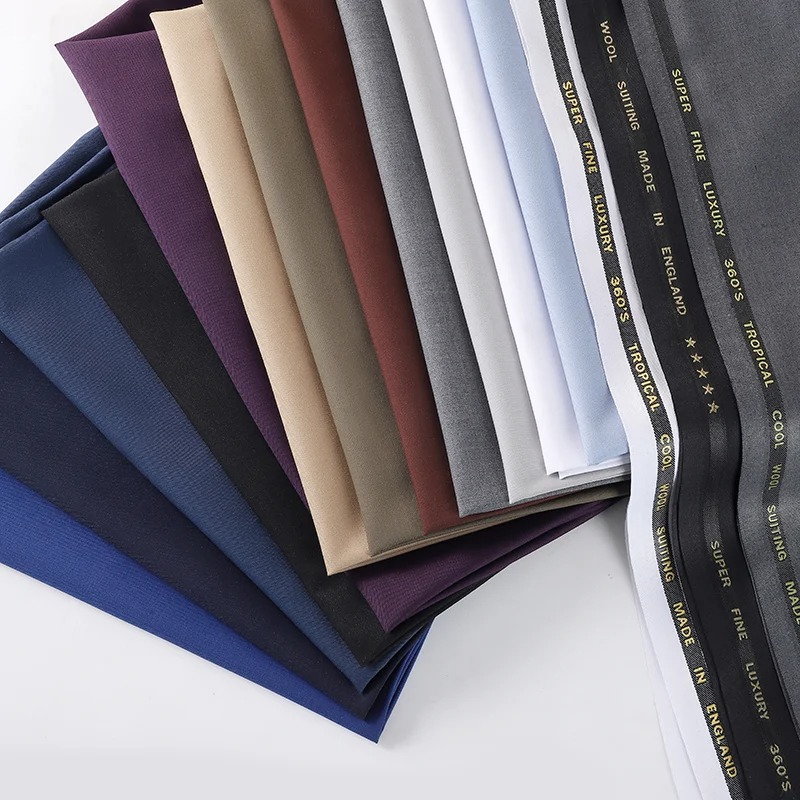
Sourcing Medical Fabrics: A Complete Technical Guide on Classification & Manufacturing
2026
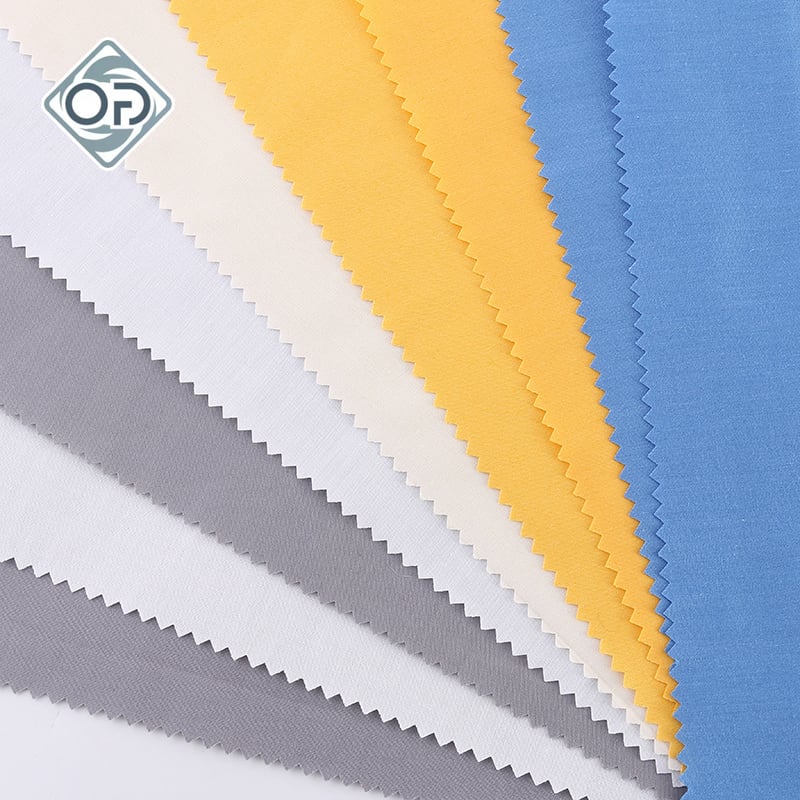
Target Audience: Healthcare Apparel Brands, Uniform Wholesalers, and Global Sourcing Managers
When sourcing fabrics for the medical and healthcare sectors, standard commercial textile rules do not apply. Whether you are bidding on a government uniform tender in the Middle East or launching a high-end line of medical scrubs, choosing the right substrate is critical.
Recently, a procurement partner from a Francophone market reached out to our engineering team with an essential question that many global buyers face:
"Je travaille sur un thème concernant les textiles médicaux. Si vous pouvez m'aider avec des documents traitant ce thème: la classification des textiles médicaux, les exigences et les procédés de fabrication."
To help our clients navigate the strict compliance, engineering, and manufacturing frameworks, we have compiled this practical B2B guide focusing entirely on medical fabric structures, classifications, and technical requirements.
1. Classification of Medical Fabrics
In the international supply chain, medical fabrics (Medtech fabrics) are categorized based on their intended environment and function. For most commercial apparel and hygiene distributors, the focus falls into two primary categories:
Healthcare & Hygiene Fabrics
These are the most high-volume fabrics in the market, used for protective gear, hospital infrastructure, and everyday clinical wear.
- Key Applications: Reusable or disposable surgical gowns, patient drapes, laboratory coats, medical scrubs (tuniques médicales), and hospital bedding sheets.
- Primary Focus: Barrier protection against fluids and bacteria.
2. Technical Performance Requirements for Medical Fabrics
Unlike standard fashion textiles, medical-grade fabrics must meet rigorous global bio-safety and physical endurance metrics. When evaluating your fabric samples from a factory, ensure they satisfy these core requirements:
[Fluid Repellency] + [Sterilization Resilience] + [Biocompatibility] = Certified Medical Fabric
- Fluid & Blood Barrier (Hydrophobic Properties): For surgical gowns and drapes, the fabric must present a reliable barrier to liquid strike-through to protect medical personnel from blood-borne pathogens (compliant with EN 13795 or AAMI standards).
- Sterilization Resilience: Reusable medical garments must undergo repeated high-pressure steam autoclaving or chemical washing. The fabric yarn must maintain its tensile strength, colorfastness, and dimensions without shrinking or degrading.
- Anti-Microbial & Anti-Static Finishes: Advanced fabrics are treated with specialized finishes that inhibit bacterial growth and prevent static charges in sensitive operating rooms.
- Skin Comfort & Breathability: For daily medical scrubs, high breathability and moisture-wicking properties are essential to ensure doctors and nurses remain comfortable during 12-hour shifts.
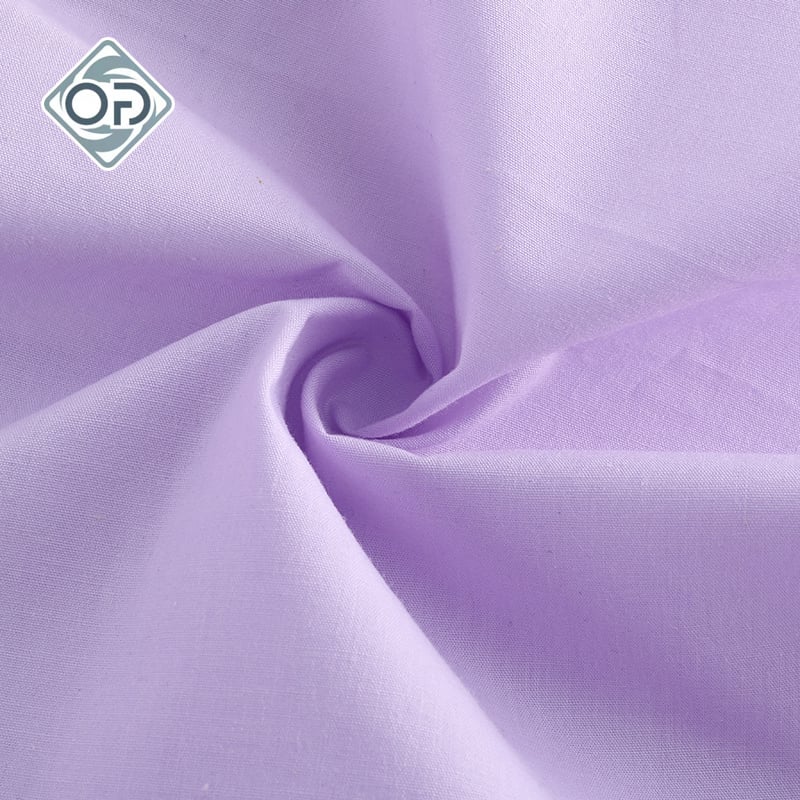
3. Manufacturing Processes of Medical Fabrics
How a factory manufactures the fabric dictates its final performance. We break production down into three core technical phases:
Phase 1: Fiber Optimization
The manufacturing process starts with raw materials. We utilize combinations of:
- Polyester / Cotton Blends (T/C): The industry gold standard for durable, reusable medical scrubs. Cotton provides breathability, while Polyester offers high strength and durability against industrial laundering.
Phase 2: Weaving vs. Non-Woven Structural Engineering
- Woven Medical Fabrics: High-density weaving (such as twill or poplin structures) is deployed for reusable garments. These structures are tight enough to block microscopic particles while remaining flexible for garment tailoring.
Phase 3: Advanced Functional Coating & Dyeing
The raw woven fabric (gray cloth) undergoes specialized finishing in our dyeing facility. Here, we apply Vat Dyeing (for superior chlorine bleach resistance) and coat the fabric with fluorochemical or silver-ion agents to achieve certified fluid-repellent and antibacterial metrics.
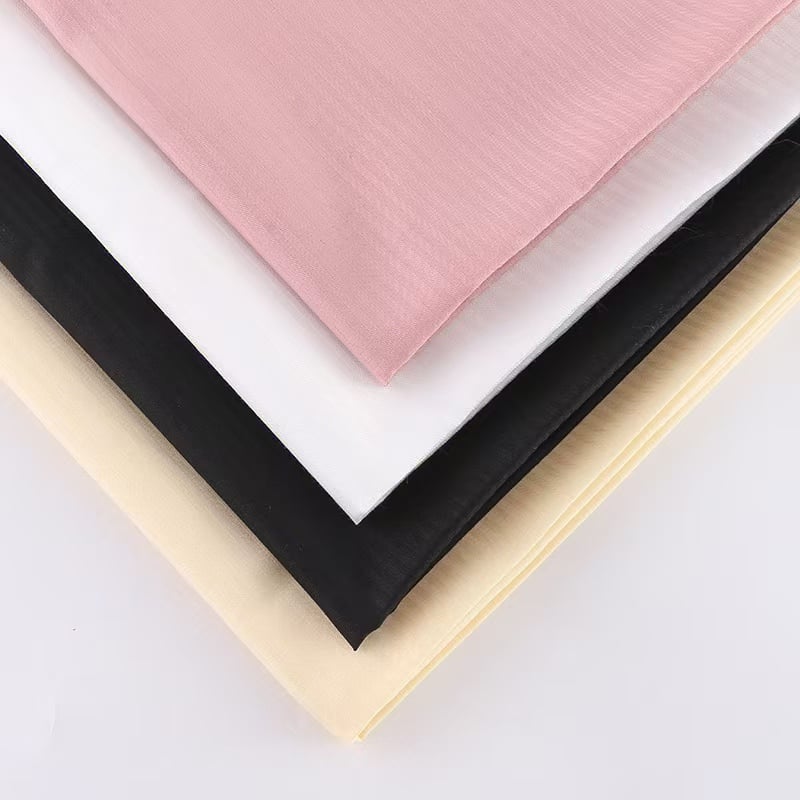
Partner With an Expert Medical Fabric Manufacturer
Navigating medical textile specifications requires more than just a standard fabric supplier—it demands a technical partner who understands international certifications, material science, and the logistical needs of markets across the Middle East and beyond.
As a top-tier B2B textile factory, we streamline your sourcing process by providing fully documented tech specs and customized fabric solutions.
Get Your Medical Fabric Samples Today
Are you planning a new medical uniform collection or bidding on a healthcare tender? Contact our export engineering team to request customized fabric hanger books and A4 color swatches.